 +918369597504 |
 +97126225999
Ergonomics for Airport & Public Transport
Enhance safety and efficiency in airports and public transport. Optimize operations, reduce injuries, and improve passenger experience.
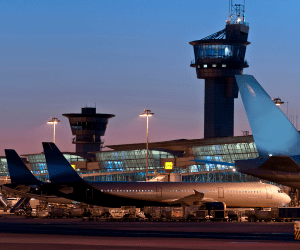


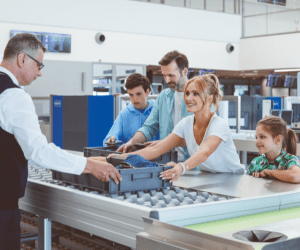



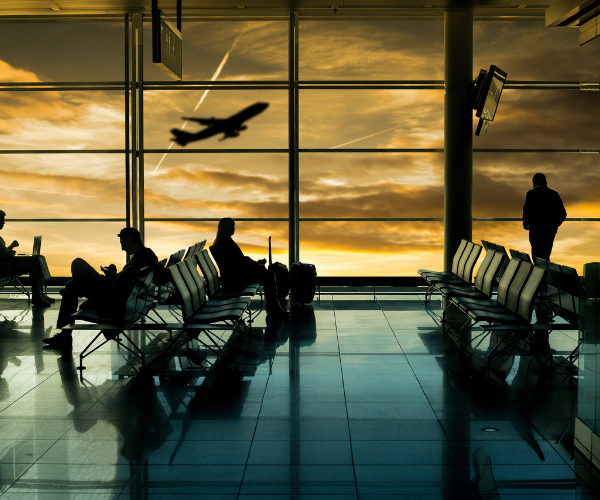
Ergonomics is of critical importance to ensure safety and efficiency in airports. From baggage handling to air traffic control rooms and cabin crew, there are various areas where ergonomic changes can be applied to prevent injuries, reduce strain and maintain accuracy and focus.
In ATC control rooms ergonomics is critical in the designing of equipment for human use. For baggage handlers, employers can provide training on proper lifting techniques along with essential ergonomic tips to support the body during lifting and maneuvering tasks. Human factors play a significant role in airport operations. They refer to the interaction between humans and their environment, equipment, and tasks.
In airports, human factors can affect efficiency, passenger experience and even safety.
Examples of human factors in airports include fatigue, stress, communication, and decision-making. By understanding and addressing these factors, airports can improve their operations and enhance the overall experience for passengers and employees.
Indiaergo is a renowned leader in the field of human factors and ergonomics and has collaborated with prestigious organizations such as AirIndia to provide them with ergonomic training and solutions.
By leveraging their expertise in human factors, Indiaergo has helped Air India improve their operations and enhance the well-being of their employees. Their work is a testament to the importance of human factors and ergonomics in the field of aviation.

Public Transport
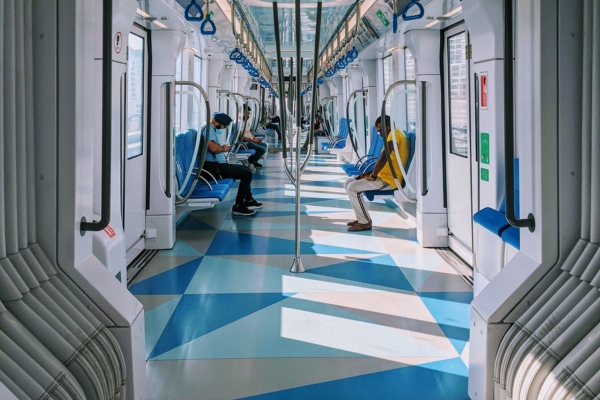
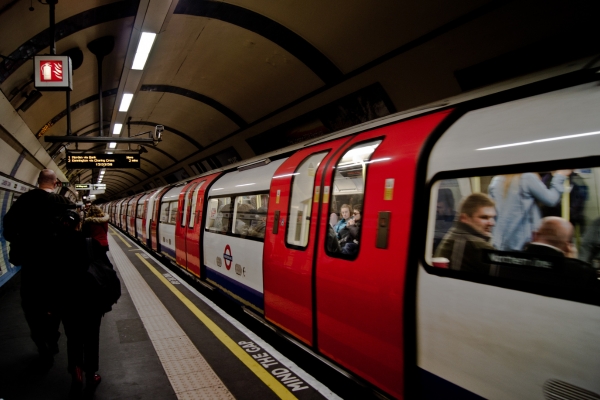
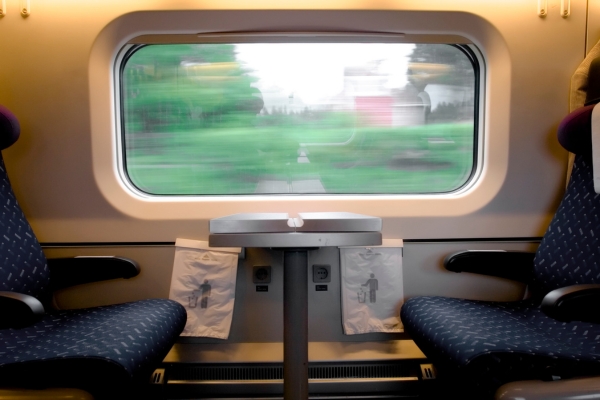
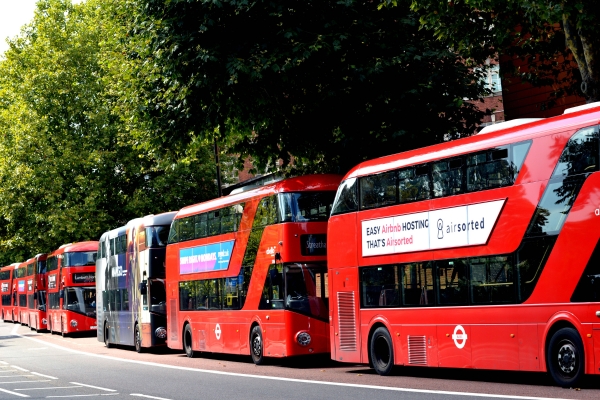
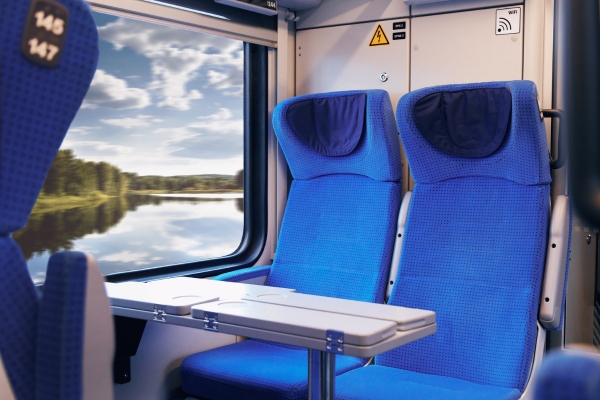
Human factors play a crucial role in the design of metro trains and other public transport systems. These factors include the interaction between passengers and their environment, and equipment and tasks. Along with human factors, ergonomics is also an essential consideration in the design and operation of trains and other public transport systems.
Examples of human factors in public transport include passenger behavior, communication, and emergency response. By considering these factors, transport systems can improve safety, efficiency, and passenger experience.
Along with human factors, ergonomics is also an essential consideration in the design and operation of trains and other public transport systems.
Ergonomic design can help reduce the risk of injury and improve the well-being of passengers and employees. Examples of ergonomic design in public transport include comfortable seating, adequate space for passengers, and easy-to-use controls. Additionally, ergonomic design can help improve the efficiency of transport systems by reducing the time required for tasks such as boarding and editing. Ergonomic design and human factor considerations can help reduce the risk of injury, improve the well-being of passengers and employees as well as enhance their overall experience.
IndiaErgo has a proven track record of delivering outstanding results in the field of ergonomics and human factors related to public transport. They have worked with prestigious organizations such as Dubai Metro to provide them with ergonomic and human factors solutions. By leveraging their expertise, IndiaErgo has helped Dubai Metro improve their operations and enhance the well-being of their passengers and employees.
